|
Freshwater Desktop Pix FULL
SIZE
(For personal use only: NOT public
domain)
(Mmm, right click, add, set as background...)
Archive 14
To: Today's FW Pic, FW
Archive 1, FW Archive 2,
FW Archive 3,
FW Archive 4,
FW Archive
5, FW
Archive 6, FW
Archive 7, FW
Archive 8, FW
Archive 9, FW Archive 11,
FW Archive
12, FW Archive 13, FW Archive 15, FW Archive 16, FW Archive 17, FW Archive 18, FW Archive 19, FW Archive 20, FW Archive 21, FW Archive 22, FW Archive 23, FW Archive 24, FW Archive 25,
|
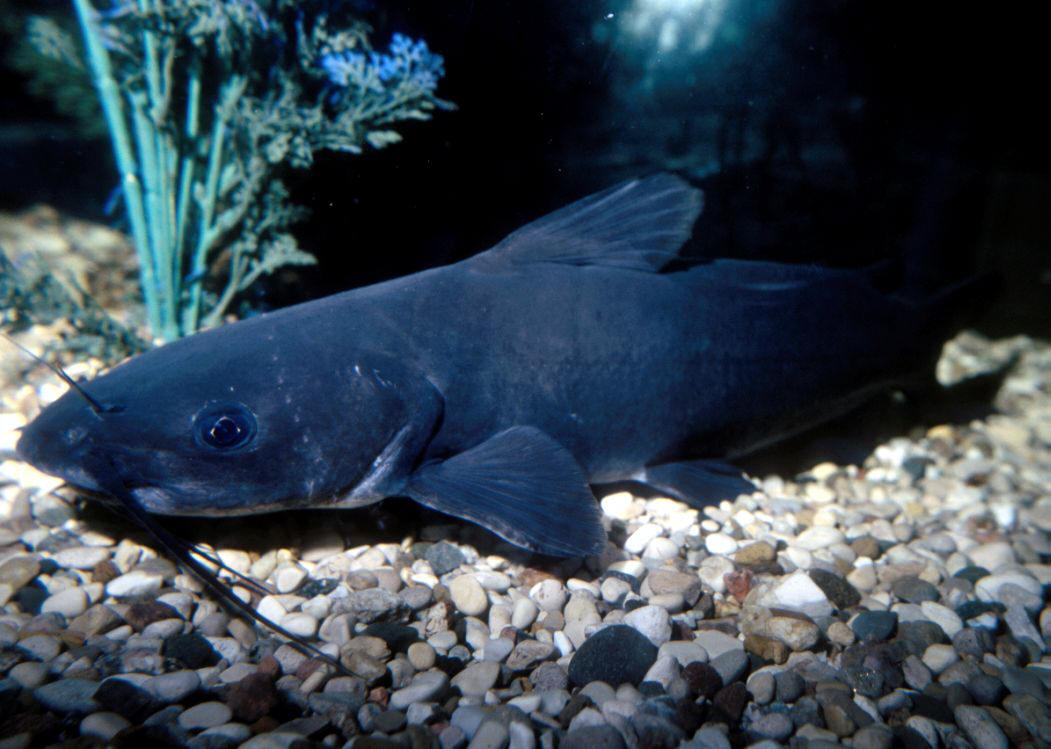 |
| Ameiurus melas (Rafinesque 1820), the Black
Bullhead Catfish. To 62 cm., 3.6 kg, some ten years in age. Cond.s:
pH 6.5-8, dH 4-25, temp. 8-30 C. North America; Great Lakes to
Mexico. Nocturnal feeders in the wild on insects, fishes,
crustaceans, worms, algae. Aquarium photo. |
|
|
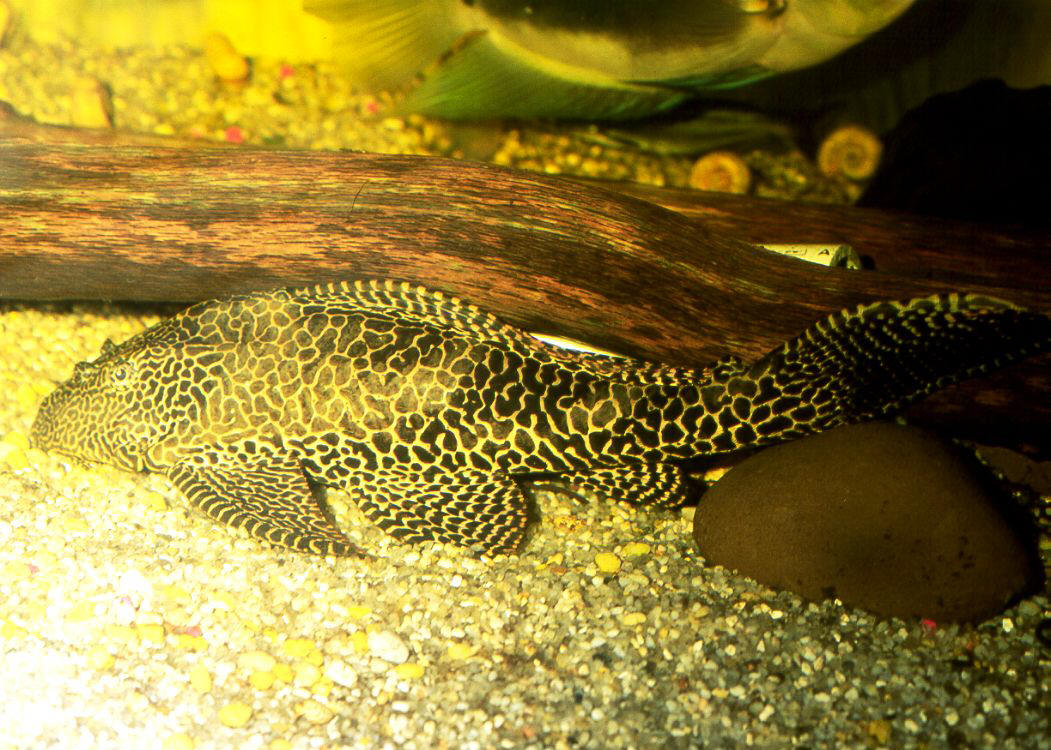
| Pterygoplichthys gibbiceps (Kner 1834), the
Leopard Pleco. To 50 cm. pH range: 6.0 -- 8.0; dH range: 5 - 19,
Tropical, South America: Middle and upper Amazon and Orinoco
basins: http://fishbase.org/Summary/SpeciesSummary.php?id=12219 |
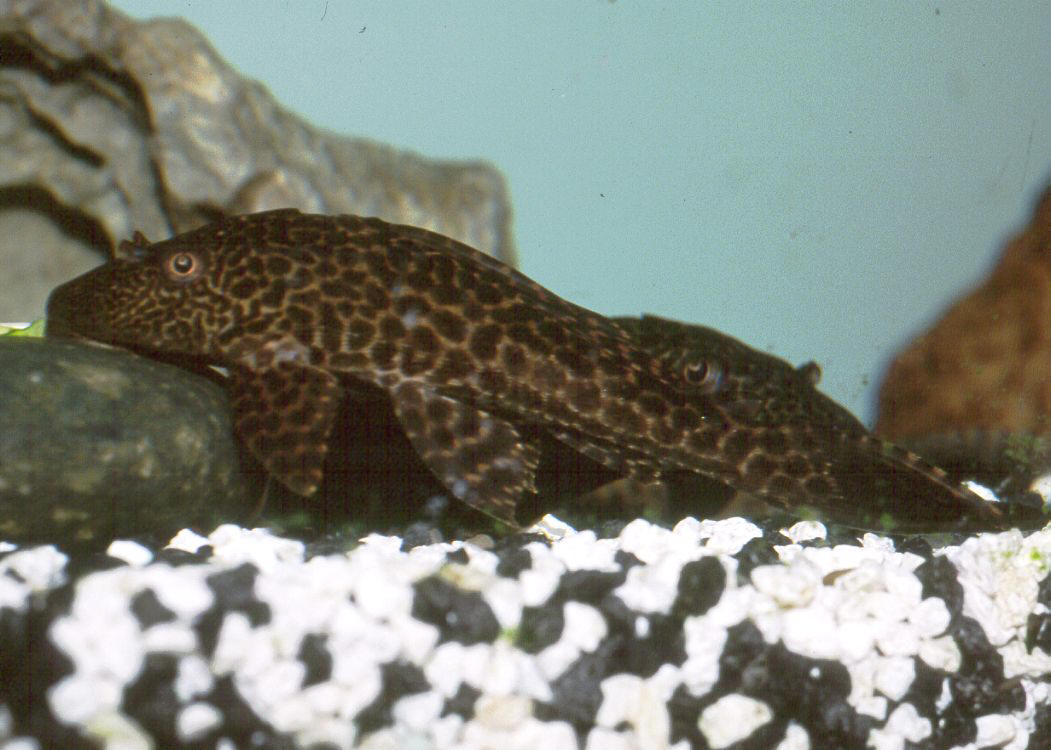 |
| With more than one hundred described species, the
genus Hypostomus is the largest of the family. The most commonly
imported and cultured aquarium-use "Pleco", Hypostomus
plecostomus (Linnaeus 1758) can become attain twenty inches in
length. (Image: an aquarium pic of Hypostomus
plecostomus). |
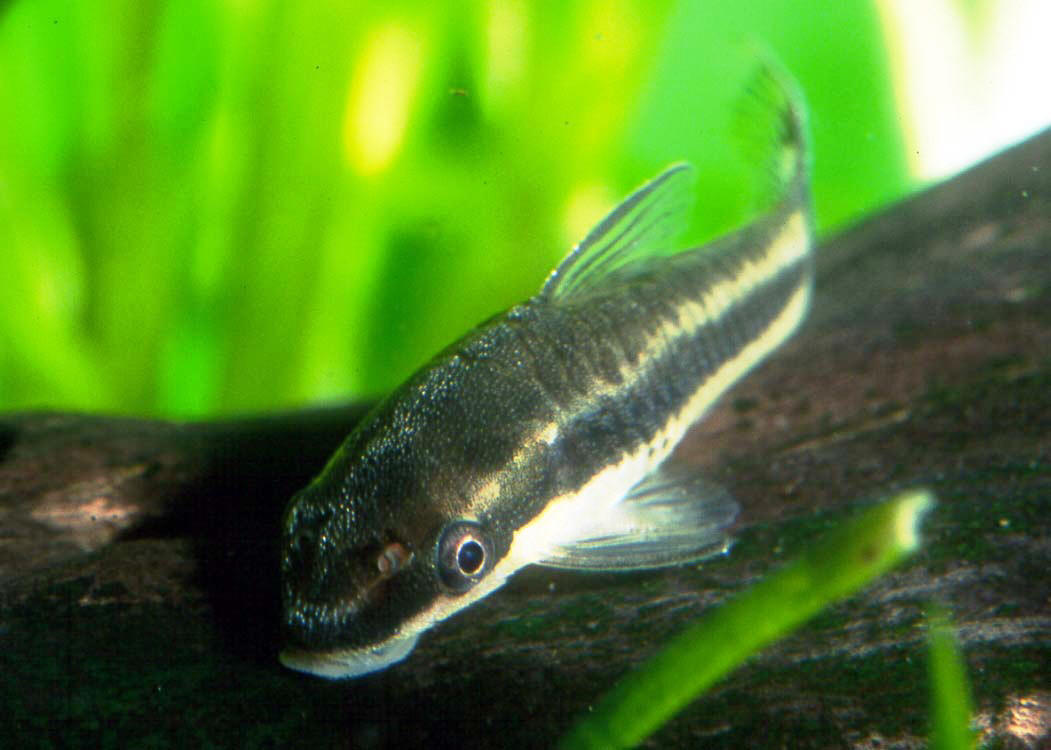 |
| Otocinclus affinis
Steindachner 1877, the Golden Otocinclus, is
probably the most commonly imported species (out of southeastern
Brazil, near Rio de Janiero). It is brownish grey overall with a
darker lateral body band. Not the hardiest oto, this species
prefers soft, acidic water. |
|
|

