|
Related FAQs: Marine Plants, Mangroves,
Related Articles: Mangroves, Marine
Algae , Coralline Algae,
Green Algae, Brown Algae, Blue-Green
"Algae"/(Cyanobacteria), Diatoms, To Pest
Algae/Control , Algae Filters
Articles
/The Best Livestock for Your Reef
Aquarium
"True" Vascular Marine
Plants, Use in Marine Aquariums
|
|
| Bob Fenner |
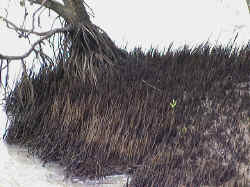
Mangrove and aerial roots,
Brisbane
|
Bigger PIX:
The images in this table are
linked to large (desktop size) copies. Click on "framed"
images to go to the larger size. |
%20MD.JPG) |
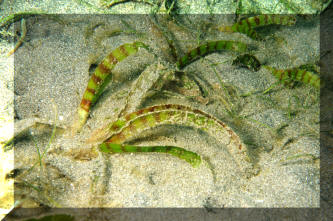
| Cymodocea serrulata (R. Brown); Seagrass. Bali 2014 |
|
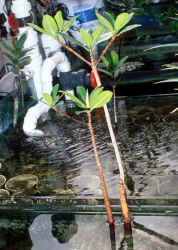
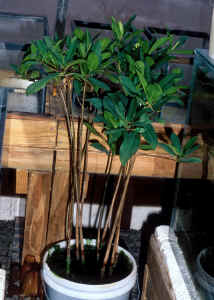
| Rhizophora mangle, the Red Mangrove. Of the
many species, indeed families of mangrove trees, this is likely the
most commonly utilized by aquarists. Up to 22 meters tall in the
wild, capable of breaking the strongest of aquarium construction
materials. Most common complaint is loss of magnesium ions (along
with sodium pumping), resultant calcium imbalances in closed
systems. Keep an eye on Mg concentrations, supplementation. A
bioassay is yellow of the tree leaves. |
|
Bigger PIX:
The images in this table are
linked to large (desktop size) copies. Click on "framed"
images to go to the larger size. |

%20MD.JPG) |
Genus Syringodium:
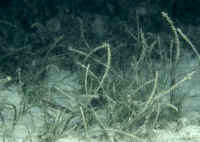
| Syringodium filiforme, Manatee Grass. To
eighteen inches tall, forty feet depths. Cylindrical leaves
upright, grow by runners. Often found mixed with Turtle Grass. St.
Thomas, U.S.V.I. & Jamaica |
|
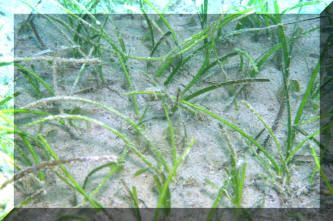
| Syringodium isoetifolium, Seagrass. To 25 cm. Fiji
2017 |
|
Genus Thalassia: Sea, Turtle Grass
| Thalassia hemprichii, Seagrass. Here in S.
Sulawesi on the top of the reef flat and crest. |
.JPG)
|
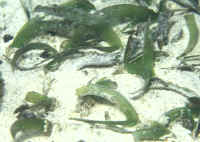
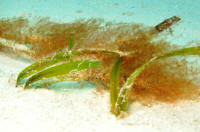
| Thalassia testudinum, Turtle Grass. Up to 2
ft. tall, 1/2" width. Found in shallows to 65 foot depths.
Tropical West Atlantic in sand, mud beds in which it firmly anchors
itself. A young bed/stand in St. Thomas, U.S.V.I. and Cozumel. |
|
Bigger PIX:
The images in this table are linked
to large (desktop size) copies. Click on "framed" images
to go to the larger size. |
|
%20MD.JPG)
|
Genus Zostera:
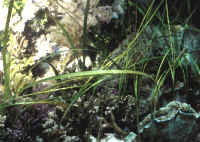
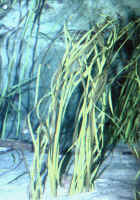
| Zostera marina in an a home aquarium. Yes,
vascular (true, embryophytic) plants can be used in marine fish
tanks. This pic from a tank tour in Los Angeles. |
|
Bigger PIX:
The images in this table are linked to large (desktop size) copies.
Click on "framed" images to go to the larger size. |
 |
|
|