|
Archive 308: Daily Pix FULL
SIZE
(For personal use only: NOT public
domain)
(Mmm, right click, add, set as background...)
To: Today's: Desktop size
download , Today's FAQs, S SW Archive
270, SW Archive
271, SW Archive
272, SW Archive
273, SW Archive
274, SW Archive
275, SW Archive
276, SW Archive
277, SW Archive
278, SW Archive
279, SW Archive
280, SW Archive
281, SW Archive
282, SW Archive
283, SW Archive
284, SW Archive
285, SW Archive
286, SW Archive
287, SW Archive
288, SW Archive
289, SW Archive
290, SW Archive
291, SW Archive
292, SW Archive
293, SW Archive
294, SW Archive
295, SW Archive
296, SW Archive
297, SW Archive
298, SW Archive
299, SW Archive 300, SW Archive 301, SW Archive 302, SW Archive 303, SW Archive 304, SW Archive 305, SW Archive 306, SW Archive 307, SW Archive 309, SW Archive 310, SW Archive 311, SW Archive 312, SW Archive 313, SW Archive 314, SW Archive 315, SW Archive 316, SW Archive 317, SW Archive 318, SW Archive 319, SW Archive 320, SW Archive 321, SW Archive 322, SW Archive 323, SW Archive 324, SW Archive 325, SW Archive 326, SW Archive 327, SW Archive 328, SW Archive 329, Freshwater
Pic of the Day Link,
|
.jpg) |
| Actinodendron sp. N.
Sulawesi. One with a bonus Periclimenes brevicarpalis
shrimp. |
|
|
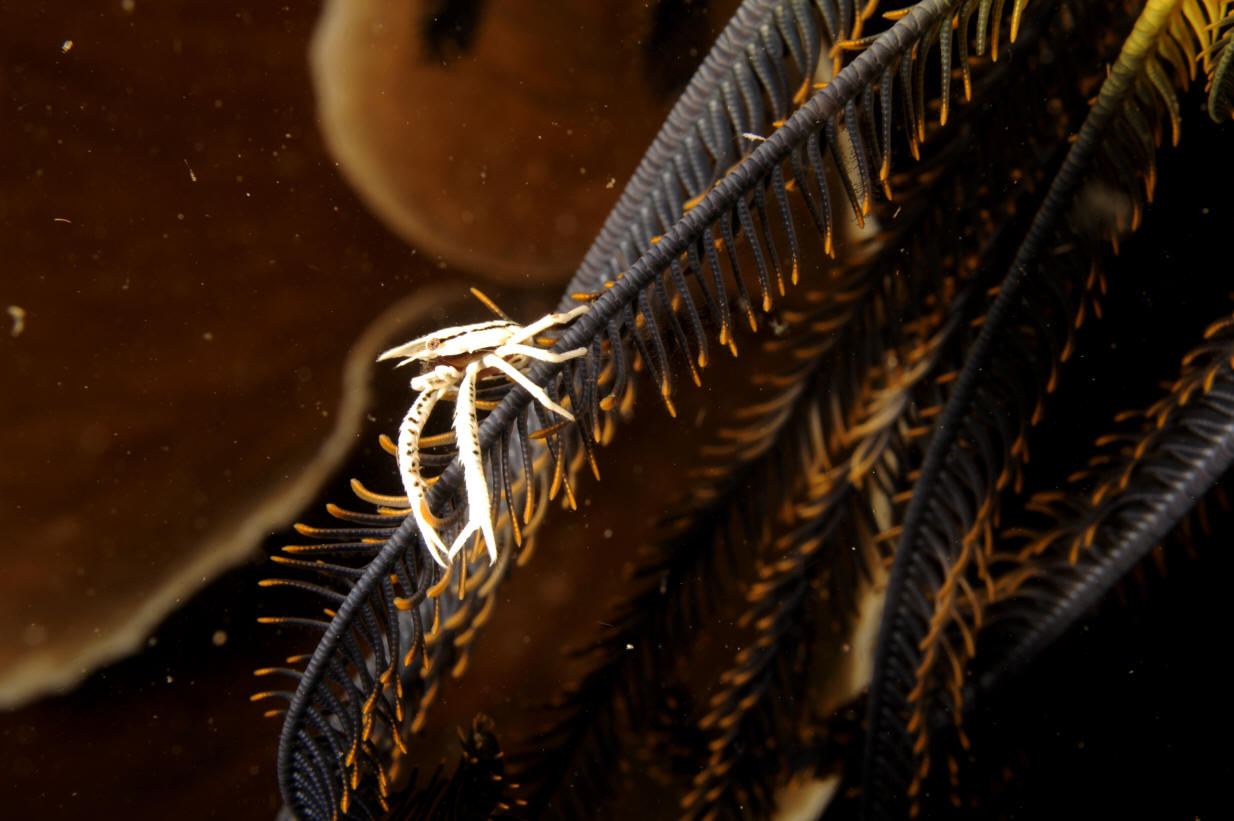
| Allogalathea elegans (White 1847). Color
variable with species of commensal crinoid it's found on. Bear
a mid-line "racing stripe" except in cases of all red (on
red featherstars) individuals. Western Pacific; Australia,
Enewetak, Indonesia. To 2 cm. N. Sulawesi pix. |
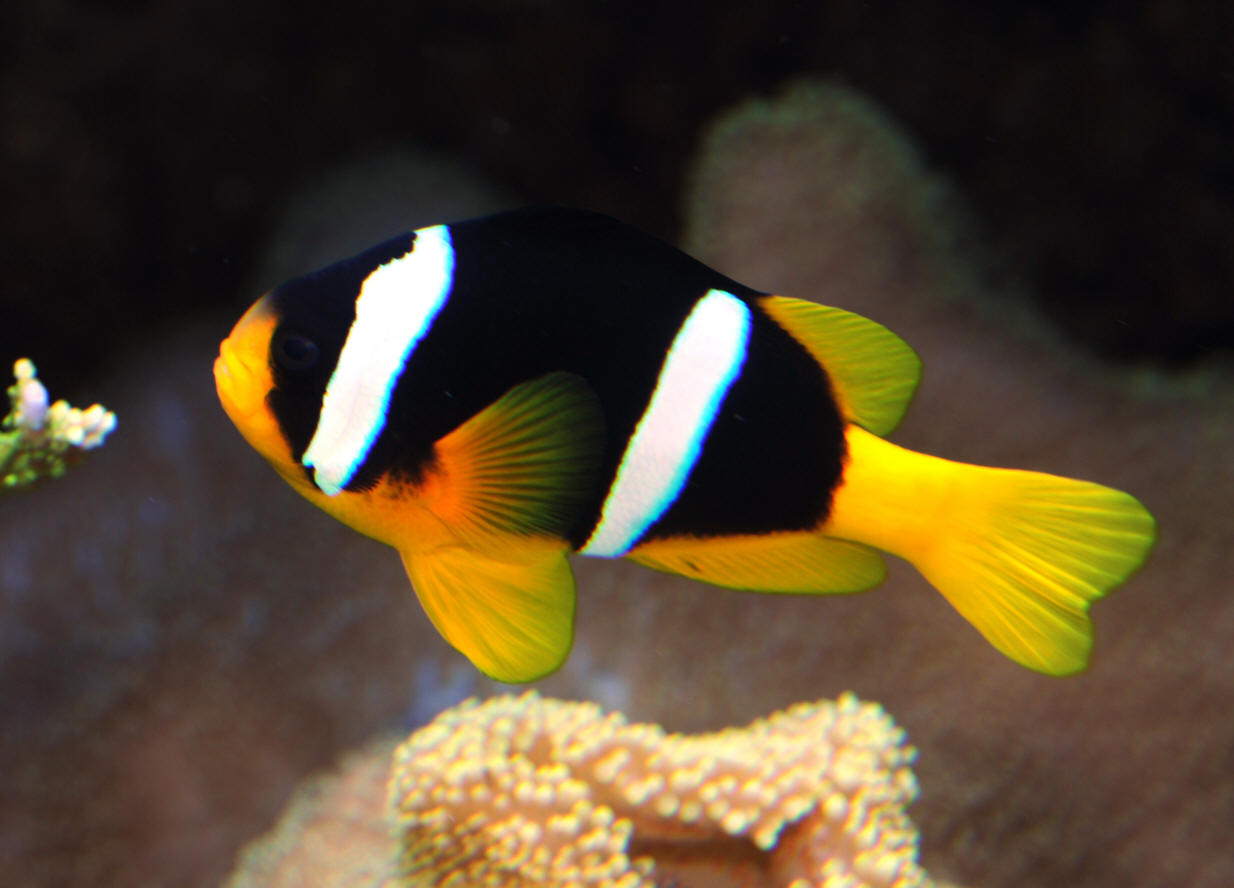 |
| Amphiprion bicinctus
Ruppell 1828, the Two-Band or Red Sea Anemonefish. Bright orange
and brown bodied, with two vertical body bands, the first expanded
above the head. Yellow tailed. Found in the Red Sea, Gulf of Aden
and Chagos Archipelago. To five inches in length. Aquarium
image. |
.JPG) |
| Antennarius pictus (Shaw & Nodder
1794), the Painted Anglerfish. Indo-Pacific. Principally imported
from Indonesia and the Philippines. To 16 cm. overall length. Comes
in all colors, and mottled, matching with local decor. Typically
found amongst sponges, rock near the bottom or on the mud/muck. N.
Sulawesi image. Distinguished by bony part of "fishing
rod" being about twice the length of second dorsal spine and
"lure" being an elongated and flat tuft. |
|
|