Archive 81: Daily Pix FULL SIZE
(For personal use only: NOT public domain)
(Mmm, right click, add, set as background...)
To: Today's: Desktop size
download , Today's FAQs, SW Archive1,
SW
Archive2, SW Archive
3,
SW Archive 4, SW Archive 5,
SW Archive
6, SW
Archive 7, SW Archive 8,
SW Archive
9, SW
Archive 10, SW Archive 11,
SW Archive
12, Archive 13,
SW Archive
14, SW
Archive 15, SW Archive 16,
SW Archive
17, SW
Archive 18, SW Archive 19,
SW Archive
20, SW
Archive 21, SW Archive 22,
SW Archive
23, SW
Archive 24, SW Archive 25,
SW Archive
26, SW
Archive 27, SW Archive 28,
SW Archive
29, SW
Archive 30, SW Archive 31,
SW Archive
32, SW
Archive 33, SW Archive 34,
SW Archive
35, SW
Archive 36, SW Archive 37,
SW Archive
38, SW
Archive 39, SW Archive 40,
SW Archive
41, SW
Archive 42, SW Archive 43,
SW Archive
44, SW
Archive 45, SW Archive46,
SW Archive
47, SW
Archive 48, SW Archive 49,
SW Archive
50, SW
Archive 51, SW Archive 52,
SW Archive
53, SW
Archive 54, SW Archive 55,
SW Archive
56, SW
Archive 57, SW Archive 59,
SW Archive
60, SW
Archive 61, SW Archive 62,
SW Archive
63, SW
Archive 64, SW Archive 65,
SW Archive
66, SW
Archive 67, SW Archive 68,
SW Archive
69, SW
Archive 70, SW Archive 71,
SW Archive 72, SW Archive 73, SW Archive 74, SW Archive 75, SW Archive 76, SW Archive 77, SW Archive 78, SW Archive 79, SW Archive 80, SW Archive 82, SW Archive 83, SW Archive 84, SW Archive 85, SW Archive 86, SW Archive 87, SW Archive 88, SW Archive 89, SW Archive 90,
SW Archive
91, SW
Archive 92, SW Archive 93,
SW Archive
94, SW
Archive 95, Freshwater
Pic of the Day Link,
|
|
LG.JPG)
|
| Monotaxis grandoculis (Forsskal 1775), the
Humpnose Big-Eye Bream, Mu. Indo-Pacific, including the Red Sea and
Hawai'i. To two feet, but a slow grower, and attractive when
young to midsize. Red Sea 08. |
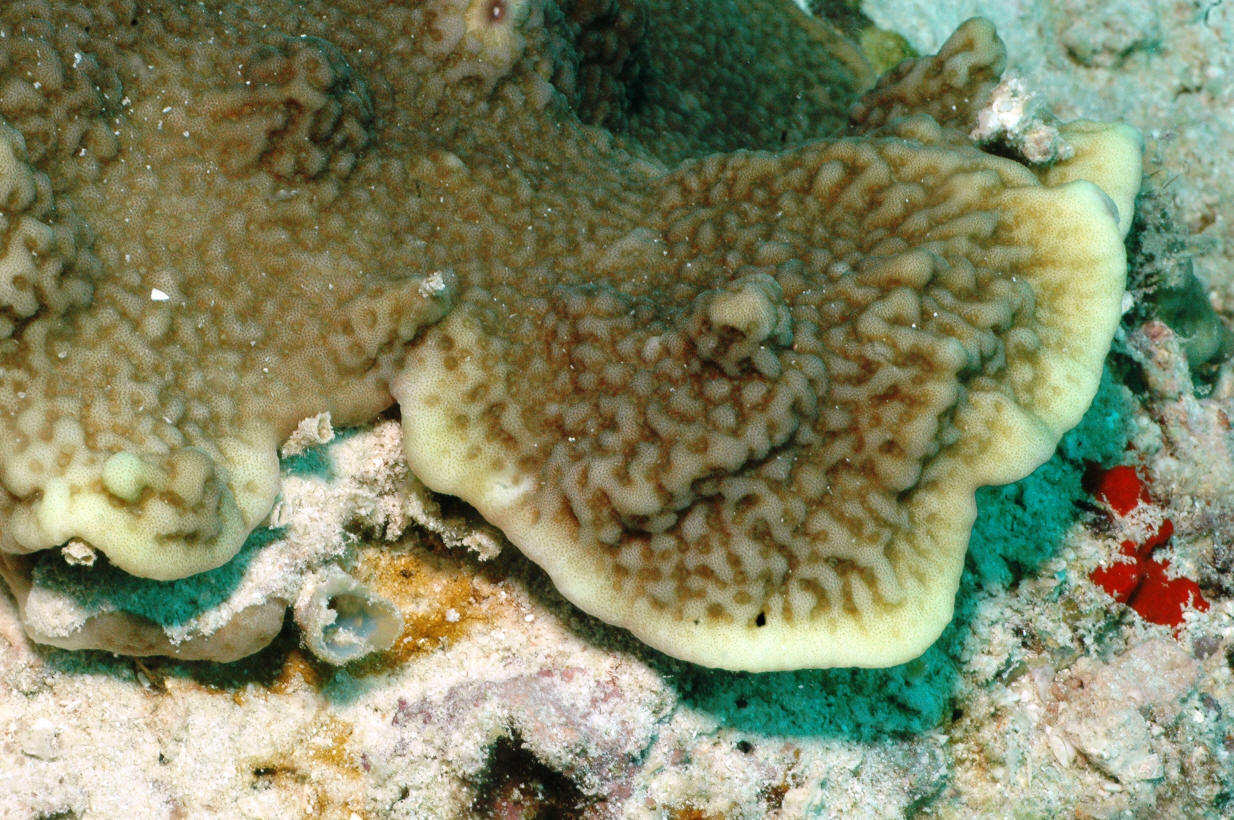 |
| Montipora, often called
"velvet" corals for their smooth appearance, are
encrusting, plating and thick finger-like forms. For the family
they are particularly hardy and fast growing for aquarists,
warranting their great popularity. This genus' members
especially need to be gradually adapted from lower to higher light
conditions (placed lower-est in the system for the first few weeks)
to avoid bleaching (loss of zooxanthellae). The eighty or so
species of Montiporas are amazingly polymorphic and therefore
difficult to identify by sight. |
LG.JPG) |
| Montipora, often called
"velvet" corals for their smooth appearance, are
encrusting, plating and thick finger-like forms. For the family
they are particularly hardy and fast growing for aquarists,
warranting their great popularity. This genus' members
especially need to be gradually adapted from lower to higher light
conditions (placed lower-est in the system for the first few weeks)
to avoid bleaching (loss of zooxanthellae). The eighty or so
species of Montiporas are amazingly polymorphic and therefore
difficult to identify by sight. |
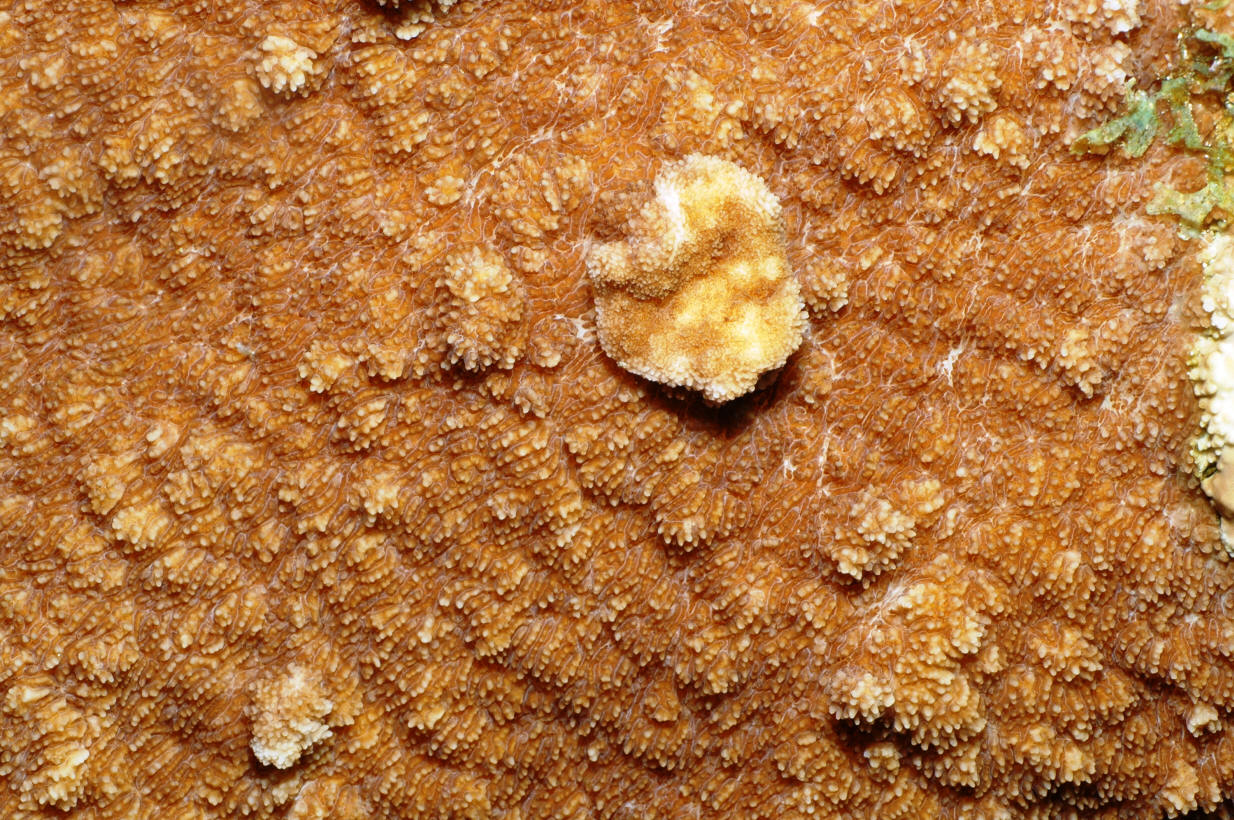 |
| Montipora, often called
"velvet" corals for their smooth appearance, are
encrusting, plating and thick finger-like forms. For the family
they are particularly hardy and fast growing for aquarists,
warranting their great popularity. This genus' members
especially need to be gradually adapted from lower to higher light
conditions (placed lower-est in the system for the first few weeks)
to avoid bleaching (loss of zooxanthellae). The eighty or so
species of Montiporas are amazingly polymorphic and therefore
difficult to identify by sight. |
|
|